<?xml version="1.0" encoding="UTF-8"?>
<feed xmlns="http://www.w3.org/2005/Atom">
  <title type="text">Heritage Area</title>
  <updated>2026-04-17T19:46:42+00:00</updated>
  <generator uri="http://framework.zend.com" version="1.12.20">Zend_Feed_Writer</generator>
  <link rel="alternate" type="text/html" href="https://www.map.curatescape6.reclaim.hosting/"/>
  <link rel="self" type="application/atom+xml" href="https://www.map.curatescape6.reclaim.hosting/items/browse?output=rss2"/>
  <id>https://www.map.curatescape6.reclaim.hosting/</id>
  <author>
    <name>Heritage Area</name>
    <uri>https://www.map.curatescape6.reclaim.hosting</uri>
  </author>
  <link rel="hub" href="https://pubsubhubbub.appspot.com/"/>
  <entry>
    <title type="html"><![CDATA[College Park Aviation Museum  and Library: Aviation History, Collections, and Representation]]></title>
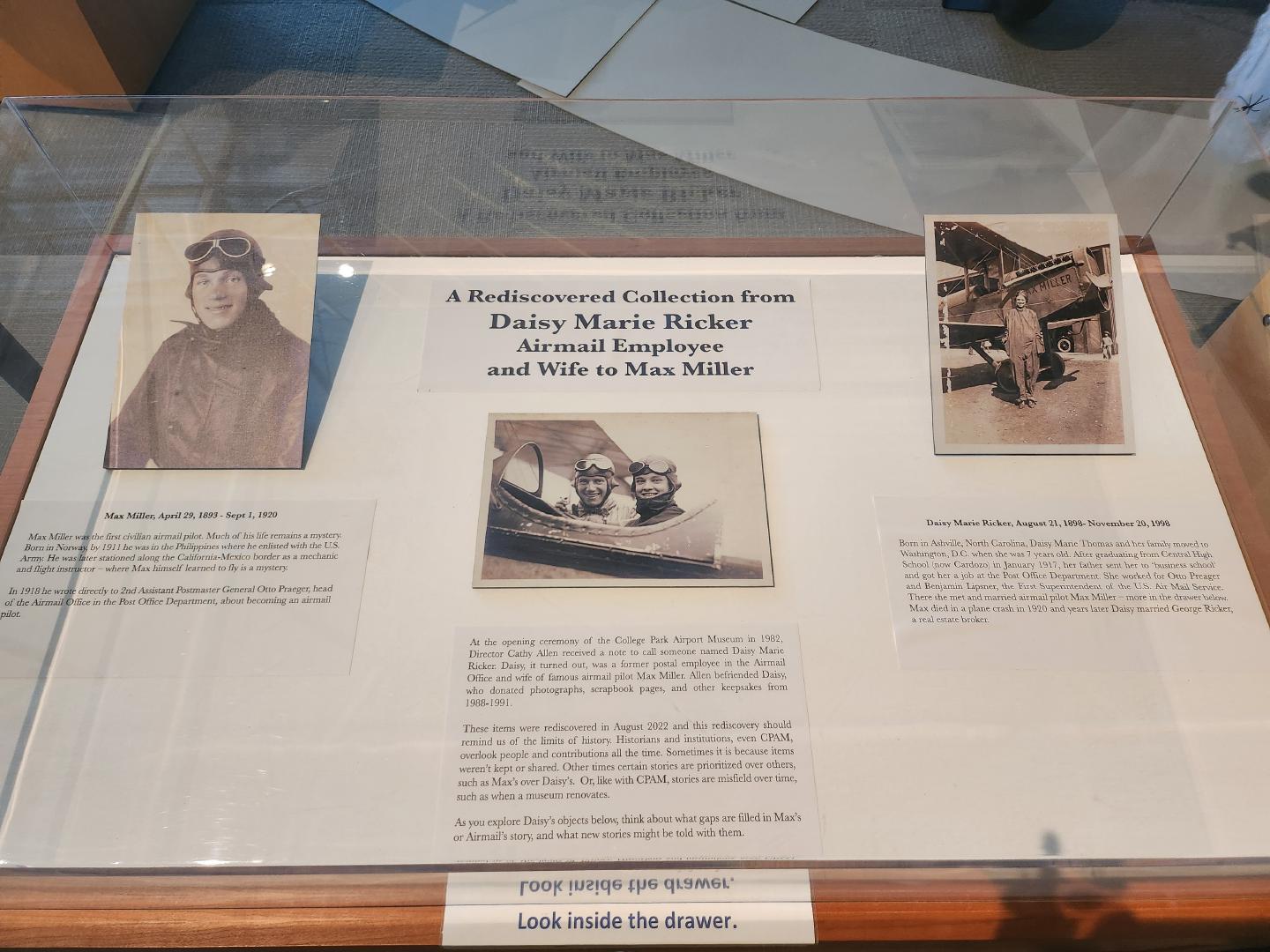
    <summary type="html"><![CDATA[<p><strong><em>The College Park Aviation Museum stands on the site of the College Park Airport, founded in 1909 and recognized as the oldest airport still in operation. Opened in 1981 and expanded in 1988, the museum showcases more than a century of flight in Prince George’s County. While known for its display of reproduction aircraft, the museum also maintains a small research library and a collection of photographs, books, documents, and artifacts related to aviation at the airport and beyond.</em></strong></p><img src="https://www.map.curatescape6.reclaim.hosting/files/fullsize/2f3b4c6af56034aeb9251031b9799acb.jpg" alt="Rediscovered Collection of Daisy Marie Recker on display" /><br/><p>“Women, women everywhere and mostly in the air,” announced a 1934 newspaper article about an all-women’s air meet at College Park, complete with races, acrobatics, and parachute jumps. Another account drew attention to the handful of women from the University of Maryland who were learning to fly at the airfield. Yet despite this early interest in women, such stories later sat in the collection with little attention or assessment.</p><p>Traditionally, the museum’s focus has centered on the airplanes, their uses, and who flew them, including the early story of Wilbur Wright training two Army officers at College Park in 1909. In the 1990s, the museum introduced more inclusive programs, such as talks about the Tuskegee Airmen, yet it continued to spotlight aviation “firsts,” military history, and airmail. This emphasis shaped how the collection was handled: a few select stories and key figures determined what was cataloged, valued, or displayed. As a result, certain materials and the stories tied to them were left in the background, although they were part of the museum’s holdings.</p><p>The museum holds a non-circulating library and a collection of documents, photographs, artifacts, and personal materials that support its exhibits and research. For years, gaps in how certain items were prioritized and managed affected which stories could be told. In recent years, the museum curator has begun reassessing the collection, surveying its contents, and updating the catalog to address what had been overlooked. This work has expanded the catalog to bring forward underrepresented people in aviation, including women, Latino and African American aviators, and those with disabilities. For example, the museum now features exhibits on Latina women in aviation and on the Columbia Air Center, once a Black-operated airport in Prince George’s County.</p><p>Although the museum is best known for its displays, current work on the collection aims to support research by students, historians, and other visitors. As the museum continues to reassess its collection, staff are creating a new searchable database that gathers images, documents, books, and artifacts in one place. This effort will allow users to explore the material by many topics, including people and stories that were less represented in the past.</p><p>The museum’s collection reminds us that exhibits often provide the first glimpse of what a museum holds. It also shows why fully assessing and cataloging the collection is essential. These steps help support more inclusive representation and give researchers and students the context they need to study the materials more deeply.</p><p><em><strong><a href="https://www.map.curatescape6.reclaim.hosting/items/show/10">For more (including 3 images) view the original article</a></strong></em></p>]]></summary>
    <published>2025-12-05T23:10:49+00:00</published>
    <updated>2026-04-17T19:46:42+00:00</updated>
    <link rel="alternate" type="text/html" href="https://www.map.curatescape6.reclaim.hosting/items/show/10"/>
    <id>https://www.map.curatescape6.reclaim.hosting/items/show/10</id>
    <author>
      <name>Asha Isable</name>
    </author>
  </entry>
  <entry>
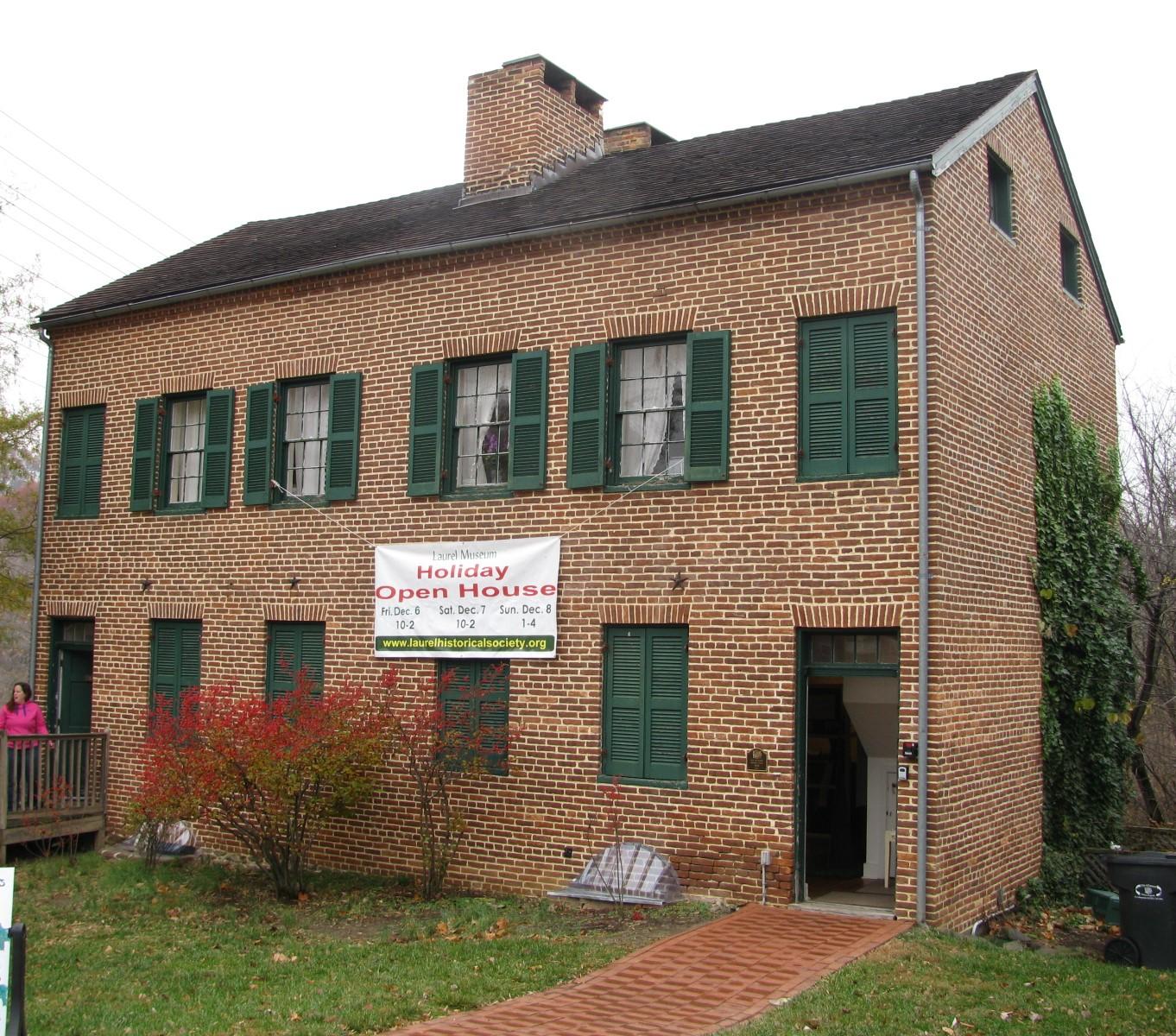
    <title type="html"><![CDATA[John Calder Brennan Library (Laurel Historical Society): Laurel’s Local History, Collections, and Public Access]]></title>
    <summary type="html"><![CDATA[<p><strong><em>The Laurel Historical Society created the John Calder Brennan Research Library to preserve the history of Laurel. Housed in the Laurel Museum building, it holds documents related to the city’s neighborhoods, institutions, and residents. Unlike larger county or state collections, it reflects the scale and limits of a small historical library focused on one community.</em></strong></p><img src="https://www.map.curatescape6.reclaim.hosting/files/fullsize/dadf70fe4db8de03c4f67770419574ab.jpg" alt="Laurel History Museum, Laurel Maryland" /><br/><p>The Laurel Historical Society was organized in 1975 to preserve and share the city’s heritage. These efforts eventually led to the restoration of the old Cotton Mill Superintendent’s House, which opened as the Laurel Museum in 1996. Inside, the Brennan Research Library holds photographs, documents, newspapers, and reference materials focused on Laurel’s local history. As a community-scaled collection, it centers on the stories of a single town rather than a broader region or topic. </p><p>Past exhibits at the museum have highlighted local civic action and community stories in the city of Laurel. This includes exhibits: "We the People" on civic engagement and grassroots service, and "Visions and Voices" on the experiences of Black residents running for office. However, it is not fully clear whether these themes connect back to the research library’s holdings. Limited access makes it challenging to see the full scope of the collection. Access to both the online collection and the physical library requires advance permission and additional steps. </p><p>The Brennan Library reflects the limitations small collections often face with accessibility and digitization. Like many institutions, the library has begun digitizing materials, but this has not yet translated into online access for researchers. At present, the Laurel Historical Society’s online collections page acts as a general overview, rather than a portal providing access to historical materials. Scanned historical documents are only valuable to the public once they are properly organized and formatted in a system that allows discovery and interpretation. This requires an online platform with sufficient storage space and features to make the collection visible and searchable.</p><p>The Brennan Library reflects a common hurdle for small collecting institutions in the digital era. Collections and the effort behind them can remain hidden without a full public-facing platform. For now, the stories of Laurel are best discovered on-site, through the museum’s exhibits and by exploring the library in person.</p><p><em><strong><a href="https://www.map.curatescape6.reclaim.hosting/items/show/12">For more view the original article</a></strong></em></p>]]></summary>
    <published>2025-12-06T21:01:51+00:00</published>
    <updated>2026-04-17T19:46:42+00:00</updated>
    <link rel="alternate" type="text/html" href="https://www.map.curatescape6.reclaim.hosting/items/show/12"/>
    <id>https://www.map.curatescape6.reclaim.hosting/items/show/12</id>
    <author>
      <name>Asha Isable</name>
    </author>
  </entry>
  <entry>
    <title type="html"><![CDATA[Marietta House Museum and Research Library: Histories of the Marietta Estate and Its Enslaved Community]]></title>
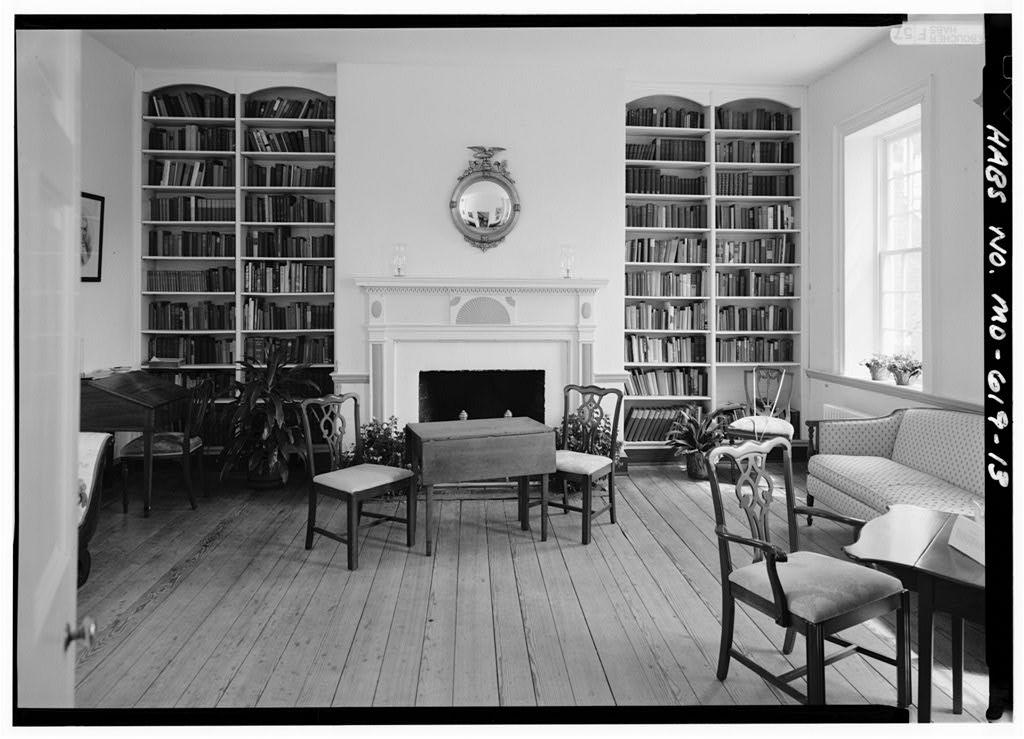
    <summary type="html"><![CDATA[<p><strong><em>Marietta was first established to preserve the early nineteenth-century home of Supreme Court Justice Gabriel Duvall. Initially, the site focused on the Duvall family, using the house, its furnishings, and its architecture to show what an elite Maryland household once looked and functioned. In 2020, staff and researchers began exploring the wider community of people and relationships tied to Marietta, especially the enslaved individuals who labored on the estate. Their histories now help guide tours and support continuing research in the site’s library.</em></strong></p><img src="https://www.map.curatescape6.reclaim.hosting/files/fullsize/44ef62968ceb49481cf2735398a0542a.jpg" alt="Southeast Room of Marietta House" /><br/><p>The Marietta House was built around 1813 as the family and plantation house of Gabriell Duval. In 1968, the Maryland-National Capital Park and Planning Commission acquired the property for its architectural and political importance. Duvall, a lawyer, spent his life in public service,  serving as a Maryland legislator, U.S. Congressman, U.S. Comptroller, and eventually a Justice on the U.S. Supreme Court. The site later opened as a historic house museum to preserve the home and its complex history.
Marietta also served as the headquarters of the Prince George’s County Historical Society and its research library. The Society offered tours, programs, and special events that shaped visitors' understanding of the site. Like many historic house museums of its era, Marietta House Museum told the story of Gabriel Duvall and his family through the spaces of the home. Each room was arranged and furnished to suggest how a 19th-century household might have looked, letting the house itself carry much of the narrative. As tours were adjusted, the family’s long presence at Marietta was reflected through the furnished rooms and artifacts displayed.
During a 2002 tour, a volunteer demonstrated a wooden yoke once used by enslaved children to carry water inside the house. This inclusion showed how Marietta’s staff had begun weaving the experiences of enslaved people into the tour by highlighting objects connected to their labor. While this is a common approach in historic homes, it becomes more complicated when representing people whose names, relationships, and personal histories were unknown or not recorded.
Around 2020, Marietta House began a major reinterpretation of its history, turning to archival records to better document the enslaved community that shaped the site. Using surviving sources such as runaway ads, bills of sale, and court or estate records linked to Judge Duvall and his relatives, staff traced the lives of more than thirty enslaved individuals. This work led to the creation of a research database about the enslaved workers.
Developed in collaboration with the Slavery Inventory Database (SID), the Enslaved Individuals Database compiles information on people enslaved by the Duvall family and properties tied to the museum. By recording names, dates, key events, and family relationships, the project works to restore identity, kinship, and community.
Although Marietta House is not a traditional collection, this database functions as a living archive that centers the stories and memories of those formerly enslaved at the estate. To support this work, the museum also maintains a small collections library. Originally consisting of records related to the Maryland-National Capital Park and Planning Commission, the library has expanded to include African American material and books relevant to the time period, genealogical materials, and documents related to other historic properties.
Together, the database and library show how historic sites can produce and preserve knowledge that goes beyond their traditional collections. The database works as both a recovery archive and a resource for public learning. The small research library is open to visitors, but its collection has not been fully cataloged. The current goal is to make these materials easier for the public to access, and staff are now focused on cataloging the collection so researchers can clearly see what is available</p><p><em><strong><a href="https://www.map.curatescape6.reclaim.hosting/items/show/9">For more (including 3 images) view the original article</a></strong></em></p>]]></summary>
    <published>2025-11-25T02:06:38+00:00</published>
    <updated>2026-04-17T19:46:42+00:00</updated>
    <link rel="alternate" type="text/html" href="https://www.map.curatescape6.reclaim.hosting/items/show/9"/>
    <id>https://www.map.curatescape6.reclaim.hosting/items/show/9</id>
    <author>
      <name>Asha Isable</name>
    </author>
  </entry>
  <entry>
    <title type="html"><![CDATA[Prince George&#039;s Room, Hyattsville Branch Library: History and Collections of Prince George’s County]]></title>
    <summary type="html"><![CDATA[<p><strong><em>When the Hyattsville Library opened its doors in 1964, it was home to one of four “Maryland Rooms”. These were small special collections dedicated to state and genealogical history. As one of the earliest branches, it played a key role in building the “Marylandia” collection to preserve and share the state’s history. When the newly rebuilt Hyattsville Branch Library opened in 2022, the collection was reopened as the Prince George’s Room, shifting attention to the county’s own communities, records, and histories.</em></strong></p><img src="https://www.map.curatescape6.reclaim.hosting/files/fullsize/45a320424c9eb4d1b30e9f1337ef86dc.jpg" alt="Prince George&#039;s Room in the Hyattsville Branch Library" /><br/><p>An item that drew special attention at the Hyattsville Library was a 75-page scrapbook of the 1904 Great Baltimore Fire. It was donated in 1960 by Hyattsville’s fire chief and volunteer, Charles J. DiVincenzo, and includes news clippings and photographs documenting the infamous fire. The inclusion of the item in the branch’s "Maryland Room" supported the collection’s purpose to highlight the state’s history. </p><p>The Maryland Room reflected earlier efforts to improve access to the state’s historical materials. At the same time, Prince George’s County was growing and developing its unique local history, which needed to be preserved and shared. The collection's focus on the state often overshadowed this local history. The library gradually collected local publications, county records, and community histories about Prince George’s County. The county’s tricentennial in 1996 inspired new works about local communities, historic sites, and key moments in its history.</p><p>In 2022, the Hyattsville Branch was rebuilt, and the Maryland Room became the "Prince George’s Room", shifting its focus to county history. The collection now highlights the history of Prince George’s County's people, towns, and civic life, rather than the entire state. Today, the collection is non-circulating and features works by local authors, neighborhood guides, municipal planning documents, and other publications. Together, these works begin to capture the county’s evolving story and the character of its communities. </p><p>Focusing on Prince George’s County exposes gaps in the collection, revealing how collecting practices shape which histories are preserved. Many books provide descriptive local histories, but formal scholarly research on the county is limited. Much of the library’s collection, which is focused on Prince George's County, continues to emphasize historic estates, plantations, and the traditions of landholding. These narratives reflect a different approach to documenting Prince George’s County, shaped by availability, resources, and effort. </p><p>The library is addressing these gaps by adding contemporary works and supporting the Digital Special Collections Project. These new titles cover wider historical topics and feature diverse voices, including <em>Race and Place: School Desegregation in Prince George’s County</em> and <em>Contemporary Conversations on Immigration in the United States</em>:<em> The View from Prince George’s County, Maryland</em>. Continuing research on Prince George’s County is needed to help understand its history, unravel the library’s collections, and connect the county’s story to the larger story of America.</p><p>Within the Prince George's room, the material and books about the broader Maryland region, including other counties, remain more substantial. The collection works best for researchers comparing the county to other areas or those trying to connect Prince George’s County’s story to Maryland’s broader history. Overall, the collection is one of many pieces needed to highlight the county’s unique past. It reflects the character of the county’s history and the ongoing effort to interpret that past, not just store it.</p><p><em><strong><a href="https://www.map.curatescape6.reclaim.hosting/items/show/6">For more (including 5 images) view the original article</a></strong></em></p>]]></summary>
    <published>2025-11-23T22:35:13+00:00</published>
    <updated>2026-04-17T19:46:42+00:00</updated>
    <link rel="alternate" type="text/html" href="https://www.map.curatescape6.reclaim.hosting/items/show/6"/>
    <id>https://www.map.curatescape6.reclaim.hosting/items/show/6</id>
    <author>
      <name>Asha Isable</name>
    </author>
  </entry>
  <entry>
    <title type="html"><![CDATA[Prince George’s County Genealogical Society Library: Genealogy, Family Roots, and Records Beyond the County]]></title>
    <summary type="html"><![CDATA[<p><strong><em>The Prince George’s County Genealogical Society aims to collect, preserve, and share genealogical knowledge and information with both the local community and the wider public. As part of its mission, they maintain a comprehensive genealogical research library housing manuscripts, local histories, vital records, and other materials from Prince George’s County and beyond. In recent years, the collection has grown to include materials that support research into African American families, tracing lineages that have long been challenging to document.</em></strong></p><img src="https://www.map.curatescape6.reclaim.hosting/files/fullsize/ff46c9cb78d7cfab526bb7a36465f7ff.jpg" alt="The Prince George’s County Genealogical Society Library" /><br/><p>The Prince George’s County Genealogical Society, founded in 1969, built its collection to support researchers tracing family and community history. The library is complemented by meetings and other programs that teach the public how to use its resources to conduct their own genealogy research. The Society maintains a substantial research library of more than 5,000 volumes, including census schedules, family histories, Bible records, church registers, military records, and other vital documents.
The Society’s holdings are unique among research collections in Prince George’s County. The collection is notable for extending beyond the usual Maryland focus to include materials from the Northeastern and Southern states. It is also one of the few circulating genealogical libraries in the region, allowing members to borrow materials. As a result, it serves Maryland descendants living elsewhere and county residents researching ancestors from other states. While many of the county collections center on historic sites and spaces, as a genealogical collection, it provides the person-centered history that is otherwise missing. The collection’s full catalog is available online for researchers to search.</p><p>Although the collection is very large, it still has limits for people researching African American family history. Like many early genealogy collections, it focused mostly on documents from the 17th through 19th centuries. During this time, African American individuals and families were often excluded or only partially recorded. Enslaved people were legally treated as property, with their marriages, families, and vital events often going unrecognized or undocumented. Even free people of color were recorded unevenly, since limits on their legal rights and their ability to own property kept them out of many official records, such as deeds, tax lists, and other records used in genealogical collections. As a result, the Society’s holdings historically reflected the exclusion of communities from both records and broader society.
To fill these gaps, the library spent the last decade actively acquiring materials on enslaved and free Black populations. Such records include Freedmen’s Bureau records, free Black population registries, slave schedules, and personal narratives. Acquisition works such as <em>Tracing Georgetown University Enslaved Persons Sold in 1838</em>, and <em>The Prince George’s Slave Conspiracy of 1739</em> demonstrate this deliberate shift toward a more inclusive and representative collection.
Overall, the Prince George’s County Genealogical Society collection is a vital resource for genealogists and historians, with its extensive geographic scope and diverse materials. It allows researchers to reconstruct family and community life across the 18th and 19th centuries. To fully represent the county’s history, continued acquisitions should be intentional, focusing on building a more diverse and inclusive collection that fills historical gaps and highlights underrepresented voices.</p><p><em><strong><a href="https://www.map.curatescape6.reclaim.hosting/items/show/5">For more (including 2 images) view the original article</a></strong></em></p>]]></summary>
    <published>2025-11-21T17:36:56+00:00</published>
    <updated>2026-04-17T19:46:42+00:00</updated>
    <link rel="alternate" type="text/html" href="https://www.map.curatescape6.reclaim.hosting/items/show/5"/>
    <id>https://www.map.curatescape6.reclaim.hosting/items/show/5</id>
    <author>
      <name>Asha Isable</name>
    </author>
  </entry>
  <entry>
    <title type="html"><![CDATA[Sojourner Room, Oxon Hill Branch Library: African American History and Literature]]></title>
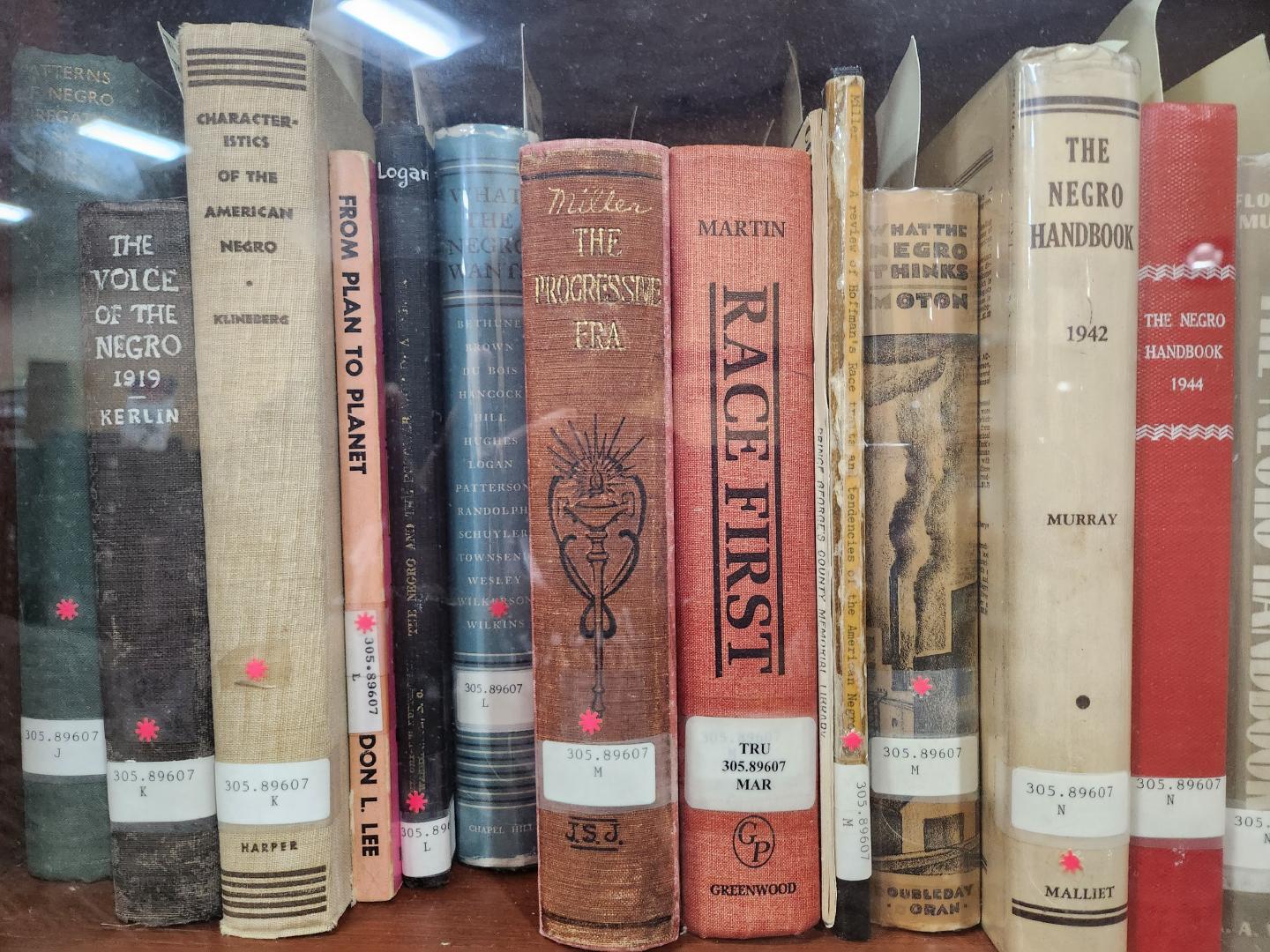
    <summary type="html"><![CDATA[<p><strong><em>The Oxon Hill Library opened in 1967 on the site of the former Sojourner Truth Elementary School. It included a special collection named for Sojourner Truth, an advocate for Black emancipation and women’s rights. The Sojourner Truth Room began as a reference collection of literature by and about African Americans and now includes digital materials documenting the African American incorporated towns of Prince George’s County.</em></strong></p><img src="https://www.map.curatescape6.reclaim.hosting/files/fullsize/9c0893a3d042285cf4fbe5a883c3157a.jpg" alt="Rare African American History Books" /><br/><p>A year before the Oxon Hill Library opened, the library began a campaign to collect materials about Sojourner Truth’s life and work. Staff published solicitations in Quaker journals where she had once worked with abolitionists, hoping to locate original documents. The effort paid off: the Prince George’s Memorial Library received a special award from the American Library Association for the materials it acquired. These items included first editions of <i>The Narrative of Sojourner Truth, A Northern Slave</i> and <i>The Book of Life</i>. Together, they formed the foundation of a special reference collection on African American history, accomplishments, and challenges.
The room’s focus on African American literature grew out of its location and past. The elementary school that once stood here (on the site of the library) began as a Freedmen’s Bureau school and later became a Rosenwald School. Although the case <i>Brown v. Board of Education</i> ended school segregation in 1954, integration in Prince George’s County was challenged and contested. Under federal rules that allowed school closures to push desegregation, the county decided in June 1965 to close Sojourner Truth Elementary. As the library occupies the school’s former location, the room directly reflects the county’s history of challenges with education and civil rights. The collection has grown to 10,000 non-circulating books, which include rare editions, journals, classic and newer works, about African American history, culture, and achievements. However, the room centers on formally published books. The histories of Black communities and towns in Prince George’s County aren’t represented in the collection, as these stories are primarily found in local histories, informal, community-created works.
To maintain the room's intended focus, the histories of Prince George’s County’s Black towns were shared on a dedicated website (microsite), which was considered a more appropriate format. The Sojourner Truth Room microsite centers on African American historic and incorporated towns in the county. The site highlights the establishment, geography, and transformation of the historic town of North Brentwood, the town of Glenarden, the resort community of Eagle Harbor, and the Fairmont suburb. This website places these historic Black communities within the broader history of urban planning and suburban growth in Prince George’s. However, the emphasis on technical planning can overshadow the cultural and social histories of these communities.
The Sojourner Truth Room collection is a key resource and repository for African American history in Prince George’s County. Combining the physical collection with the website may support further research on Black communities in the county and provide a more complete view of the region’s history.</p><p><em><strong><a href="https://www.map.curatescape6.reclaim.hosting/items/show/7">For more (including 4 images) view the original article</a></strong></em></p>]]></summary>
    <published>2025-11-24T05:53:35+00:00</published>
    <updated>2026-04-17T19:46:42+00:00</updated>
    <link rel="alternate" type="text/html" href="https://www.map.curatescape6.reclaim.hosting/items/show/7"/>
    <id>https://www.map.curatescape6.reclaim.hosting/items/show/7</id>
    <author>
      <name>Asha Isable</name>
    </author>
  </entry>
  <entry>
    <title type="html"><![CDATA[The Frederick S. DeMarr Library of County History: A Research Home in Prince George’s County]]></title>
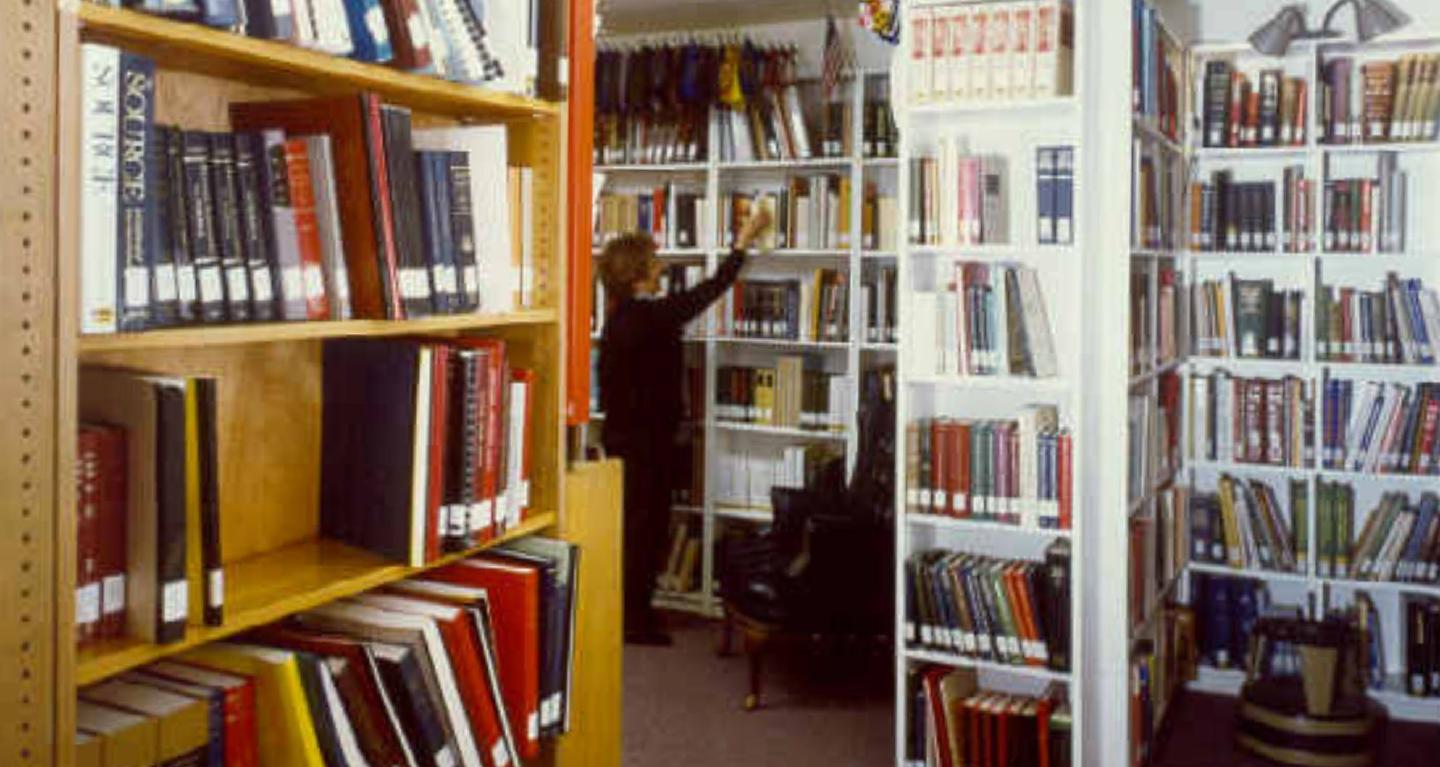
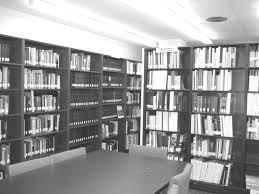
    <summary type="html"><![CDATA[<p><strong><em>The Frederick S. DeMarr Library of County History is the research collection of the Prince George’s County Historical Society. The library began as the private collection of local historian Frederick S. DeMarr and was left to the Society after his passing in 1997. Over time, the library expanded to include photographs, maps, newspapers, and manuscripts that document the history of Prince George’s County and Maryland. In 2008, the library moved to the lower level of the Greenbelt Branch Library, allowing the once-private collection to settle into a dedicated and public home.</em></strong></p><img src="https://www.map.curatescape6.reclaim.hosting/files/fullsize/d26a9102a4c6d8b787ee4f421b0be46a.jpg" alt="Entrance Room of the DeMarr Library" /><br/><p>The Prince George’s County Historical Society was founded in 1952 to promote the study and preservation of the county’s history. The Society’s library resided in several historic houses in Prince George’s County, including Montpelier and Riversdale, before settling at Marietta House Museum for several years. There, in partnership with the Maryland-National Capital Park and Planning Commission, they shaped the rooms, stories, tours, and public presentation of the historic home. They also worked with the county parks agency and the wider Prince George’s County community to share, research, and interpret history while continuing to grow the library’s collection.</p><p>Over time, the collection expanded to include a wider range of subjects, including more diverse texts and materials. As the holdings increased, so did the need for a dedicated research space. The move to the Greenbelt Branch Library in 2008 provided the DeMarr Library with its first permanent home, offering better space for cataloging, storage, and public access. </p><p>A key focus of the library has been settling into and shaping its own research home through ongoing organization and full cataloging of the collection. A current priority is completing this work so the Society’s holdings can be listed online and made fully accessible. The DeMarr Library operates independently of the county’s library system and is maintained by a dedicated team of volunteers. As a result, cataloging and inventory work have moved gradually, shaped by the time and hands available.</p><p>Although the DeMarr Library holds one of the county’s more extensive collections, limited staffing and incomplete cataloging can affect how easily materials are discovered, accessed, and interpreted. The story of the DeMarr Library shows how a volunteer-run institution works through familiar challenges, as collections grew faster than the resources and systems to support access and research. With greater support, the library's full value and potential could be better appreciated, accessed, and used.  </p><p><em><strong><a href="https://www.map.curatescape6.reclaim.hosting/items/show/11">For more (including 3 images) view the original article</a></strong></em></p>]]></summary>
    <published>2025-12-06T18:03:28+00:00</published>
    <updated>2026-04-17T19:46:42+00:00</updated>
    <link rel="alternate" type="text/html" href="https://www.map.curatescape6.reclaim.hosting/items/show/11"/>
    <id>https://www.map.curatescape6.reclaim.hosting/items/show/11</id>
    <author>
      <name>Asha Isable</name>
    </author>
  </entry>
  <entry>
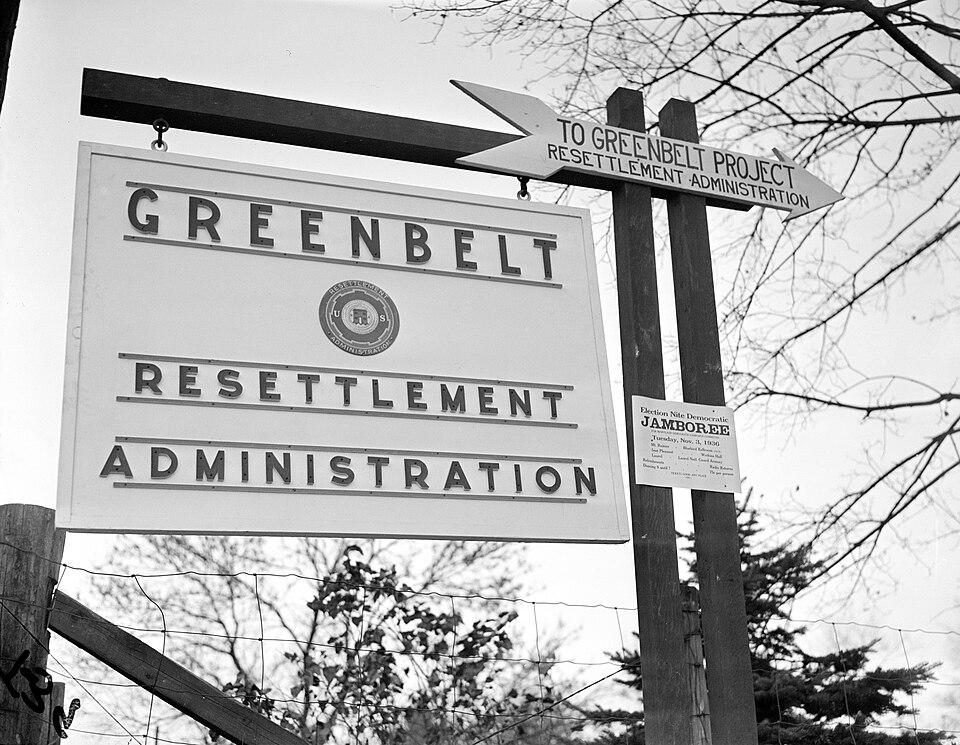
    <title type="html"><![CDATA[Tugwell Room, Greenbelt Branch Library : Greenbelt and the Making of Communities.]]></title>
    <summary type="html"><![CDATA[<p><strong><em>The Tugwell Room began as a special collection dedicated to preserving Greenbelt's history as a planned community. Over time, the collection expanded its focus beyond the surrounding community, serving as a research resource for urban development. This change was influenced by practical needs and understanding that past urban planning played a vital role in shaping the county's identity.</em></strong></p><img src="https://www.map.curatescape6.reclaim.hosting/files/fullsize/cfe2385873b0260512465d40b012cab0.jpg" alt="Greenbelt Resettlement Administration Sign" /><br/><p>The Tugwell Room at the Greenbelt Library is named after Rexford Guy Tugwell (1891–1977), the New Deal advisor and planner who led the creation of the city of Greenbelt. His vision led to the development of three “greenbelt” communities for working-class families during the Great Depression. As the first of these towns, Greenbelt, Maryland, combined green spaces with urban features to encourage cooperation and support self-sufficiency. Tugwell hoped it would serve as a model for future suburban planning.</p><p>The Tugwell Room began as a collection of materials that documented the planning, design, and early daily life of Greenbelt. These included, for example, furniture price tags, photographs of original home interiors, blueprints, and documents detailing the city’s development. In its first decade, the collection had limited accessibility, opened by request or during Open Houses tied to community events. Like many small special collections, it faced challenges of limited budgets, understaffing, and attracting visitors.
The collection soon expanded beyond Greenbelt itself to include materials on other cooperative communities and the ideas behind urban planning. This addition drew more attention and visitors, making the Tugwell Room a resource for planners, historians, and students interested in how cities develop. In 1987, the Greenbelt Museum opened in an original historic home, offering a more hands-on experience of early Greenbelt, and acquired some of the items from the Tugwell Room’s collection.
However, debates about the future, sustainability, and purpose of the collection continued until 2020, when the Tugwell Room was reorganized. Some items were transferred, and the library completed a major digitization project with the Greenbelt Museum. Materials about Greenbelt’s local community can now be accessed online through the library’s <a href="https://www.pgcmls.info/tugwell-room">Digital Special Collections</a> and the <a href="https://www.greenbeltmuseum.org/greenbelt-history">Greenbelt Museum’s</a> curated website. The collection in the Tugwell Room now unfolds into hundreds of books focused on city planning and urban development.
Over time, the Tugwell Room shifted from documenting one planned community to supporting broader research on how cities are designed and shaped. Like the two-part design of early planned ‘greenbelt’ communities, the Tugwell Room now merges a traditional local history collection with an interpretive (applied-history) focus on how American places are built. Today, it includes works on suburbanization, public works, transportation, and the New Deal era.
Changes in the Tugwell Room show how efforts to maintain the collection, digital tools, and coexisting institutions have influenced the collection’s transformation. Future additions should include more work on planning issues such as gentrification, displacement, and environmental change. This supports a more balanced approach to researching urban development, one that considers the lived experiences, impacts on communities, and the environment.
</p><p><em><strong><a href="https://www.map.curatescape6.reclaim.hosting/items/show/8">For more (including 3 images) view the original article</a></strong></em></p>]]></summary>
    <published>2025-11-24T20:50:07+00:00</published>
    <updated>2026-04-17T19:46:42+00:00</updated>
    <link rel="alternate" type="text/html" href="https://www.map.curatescape6.reclaim.hosting/items/show/8"/>
    <id>https://www.map.curatescape6.reclaim.hosting/items/show/8</id>
    <author>
      <name>Asha Isable</name>
    </author>
  </entry>
</feed>