Marietta House Museum and Research Library
Histories of the Marietta Estate and Its Enslaved Community
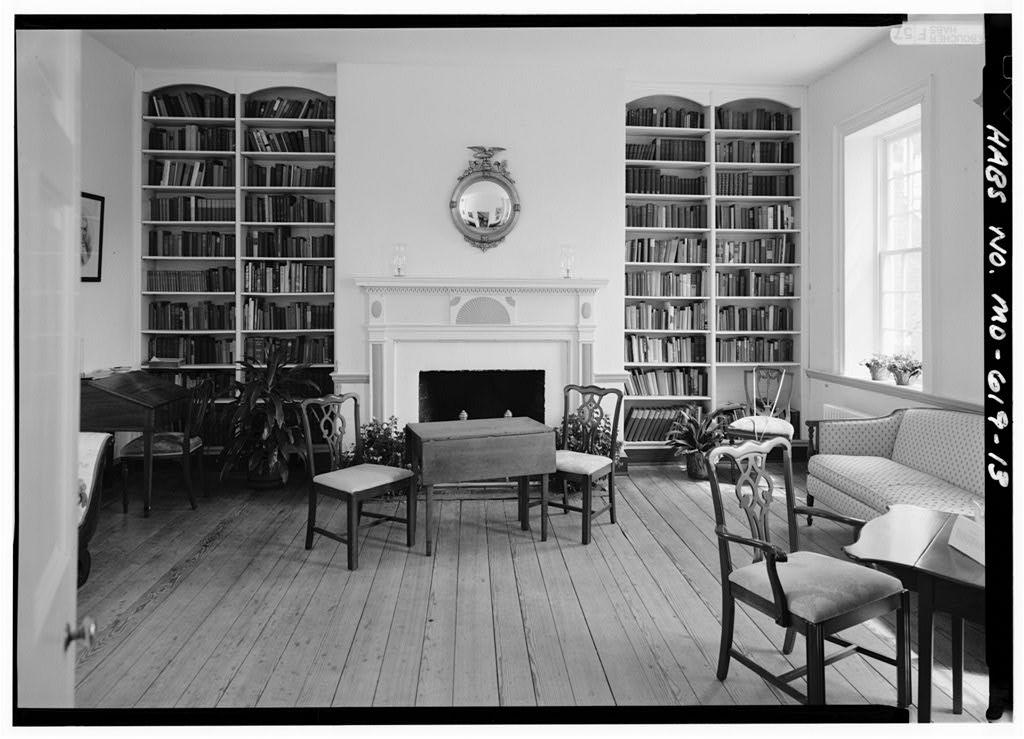
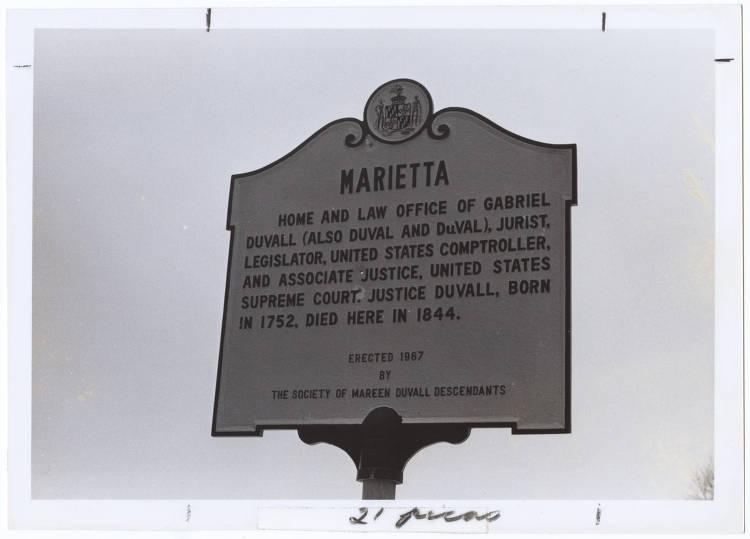
Marietta was first established to preserve the early nineteenth-century home of Supreme Court Justice Gabriel Duvall. Initially, the site focused on the Duvall family, using the house, its furnishings, and its architecture to show what an elite Maryland household once looked and functioned. In 2020, staff and researchers began exploring the wider community of people and relationships tied to Marietta, especially the enslaved individuals who labored on the estate. Their histories now help guide tours and support continuing research in the site’s library.
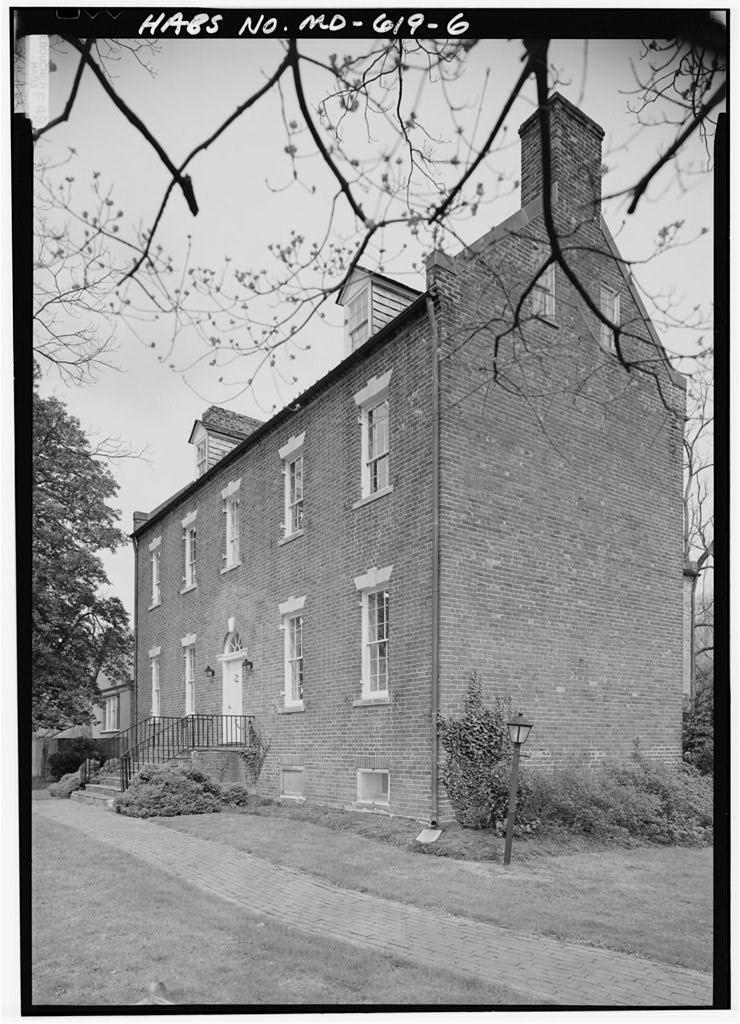
The Marietta House was built around 1813 as the family and plantation house of Gabriell Duval. In 1968, the Maryland-National Capital Park and Planning Commission acquired the property for its architectural and political importance. Duvall, a lawyer, spent his life in public service, serving as a Maryland legislator, U.S. Congressman, U.S. Comptroller, and eventually a Justice on the U.S. Supreme Court. The site later opened as a historic house museum to preserve the home and its complex history.
Marietta also served as the headquarters of the Prince George’s County Historical Society and its research library. The Society offered tours, programs, and special events that shaped visitors' understanding of the site. Like many historic house museums of its era, Marietta House Museum told the story of Gabriel Duvall and his family through the spaces of the home. Each room was arranged and furnished to suggest how a 19th-century household might have looked, letting the house itself carry much of the narrative. As tours were adjusted, the family’s long presence at Marietta was reflected through the furnished rooms and artifacts displayed.
During a 2002 tour, a volunteer demonstrated a wooden yoke once used by enslaved children to carry water inside the house. This inclusion showed how Marietta’s staff had begun weaving the experiences of enslaved people into the tour by highlighting objects connected to their labor. While this is a common approach in historic homes, it becomes more complicated when representing people whose names, relationships, and personal histories were unknown or not recorded.
Around 2020, Marietta House began a major reinterpretation of its history, turning to archival records to better document the enslaved community that shaped the site. Using surviving sources such as runaway ads, bills of sale, and court or estate records linked to Judge Duvall and his relatives, staff traced the lives of more than thirty enslaved individuals. This work led to the creation of a research database about the enslaved workers.
Developed in collaboration with the Slavery Inventory Database (SID), the Enslaved Individuals Database compiles information on people enslaved by the Duvall family and properties tied to the museum. By recording names, dates, key events, and family relationships, the project works to restore identity, kinship, and community.
Although Marietta House is not a traditional collection, this database functions as a living archive that centers the stories and memories of those formerly enslaved at the estate. To support this work, the museum also maintains a small collections library. Originally consisting of records related to the Maryland-National Capital Park and Planning Commission, the library has expanded to include African American material and books relevant to the time period, genealogical materials, and documents related to other historic properties.
Together, the database and library show how historic sites can produce and preserve knowledge that goes beyond their traditional collections. The database works as both a recovery archive and a resource for public learning. The small research library is open to visitors, but its collection has not been fully cataloged. The current goal is to make these materials easier for the public to access, and staff are now focused on cataloging the collection so researchers can clearly see what is available
Images
Location
Museum Tour Times: 11 am, 1 pm, 3 pm
Library Hours: Mon-Fri, 10 am-4 pm