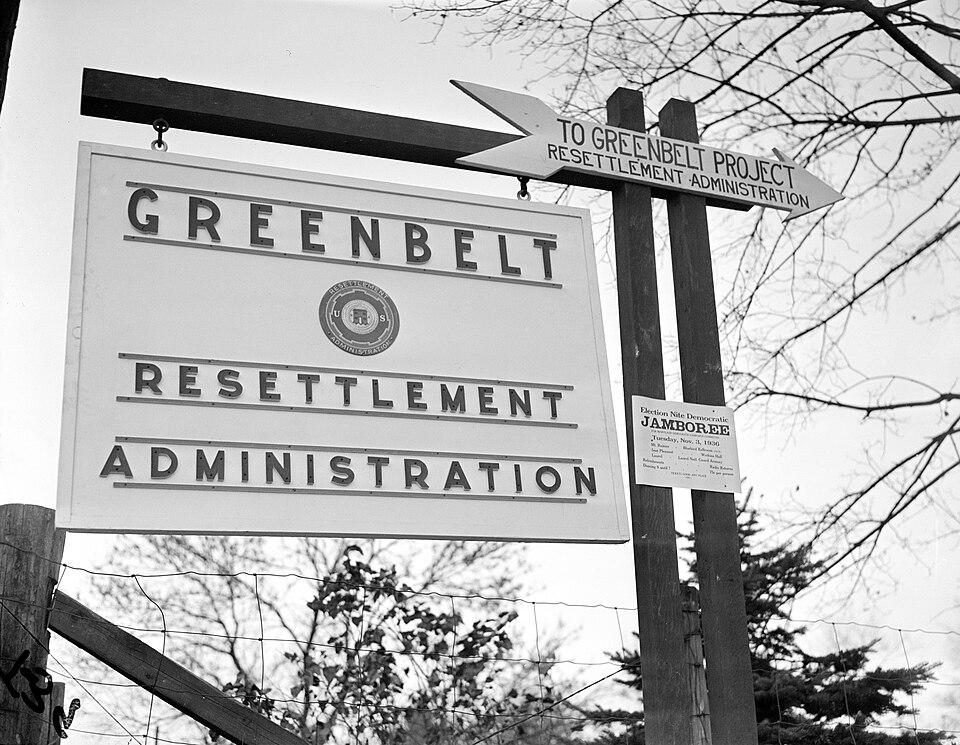
The Tugwell Room began as a special collection dedicated to preserving Greenbelt's history as a planned community. Over time, the collection expanded its focus beyond the surrounding community, serving as a research resource for urban development. This change was influenced by practical needs and understanding that past urban planning played a vital role in shaping the county's identity.
The Tugwell Room at the Greenbelt Library is named after Rexford Guy Tugwell (1891–1977), the New Deal advisor and planner who led the creation of the city of Greenbelt. His vision led to the development of three “greenbelt” communities for working-class families during the Great Depression. As the first of these towns, Greenbelt, Maryland, combined green spaces with urban features to encourage cooperation and support self-sufficiency. Tugwell hoped it would serve as a model for future suburban planning.
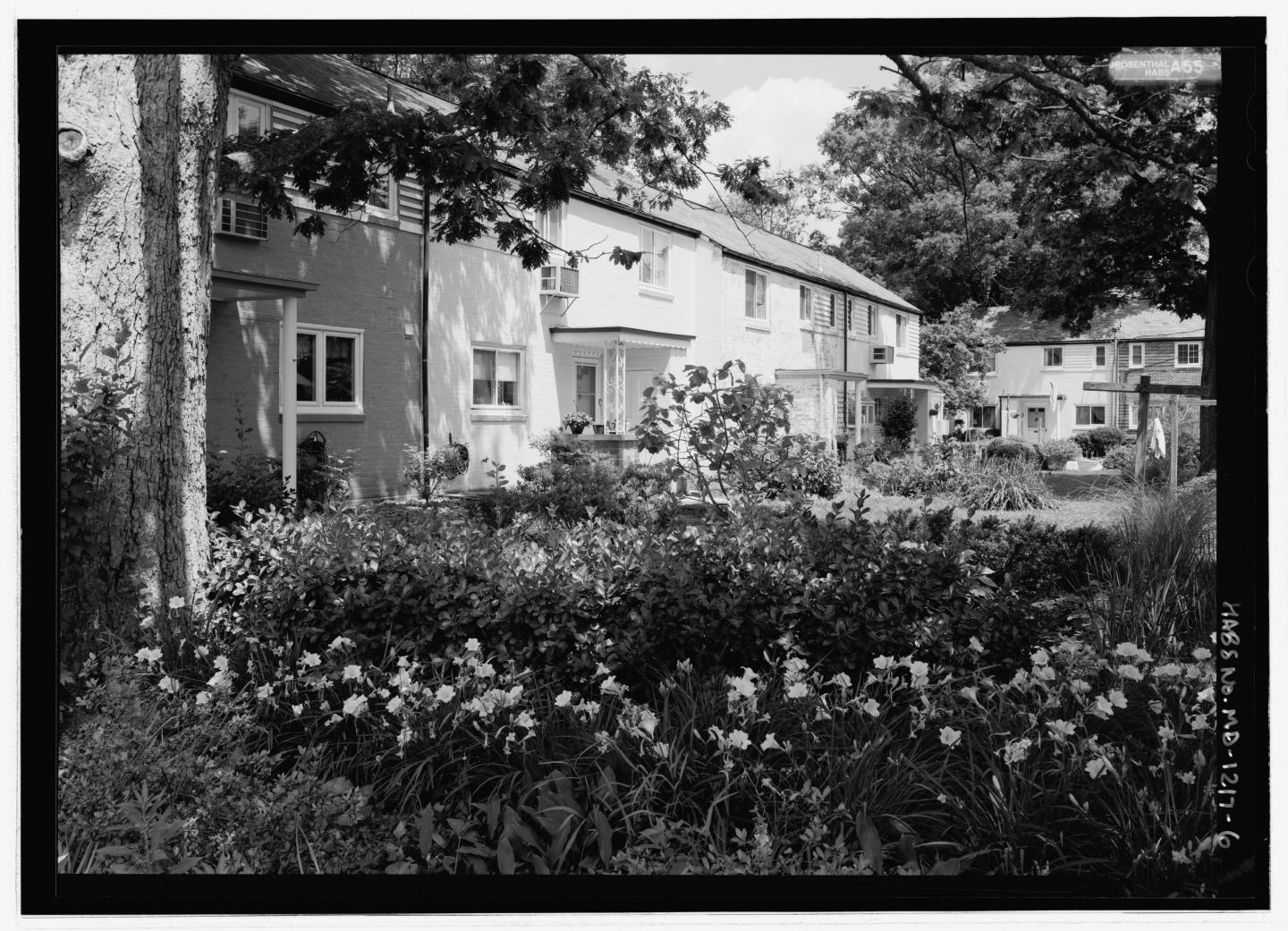
The Tugwell Room began as a collection of materials that documented the planning, design, and early daily life of Greenbelt. These included, for example, furniture price tags, photographs of original home interiors, blueprints, and documents detailing the city’s development. In its first decade, the collection had limited accessibility, opened by request or during Open Houses tied to community events. Like many small special collections, it faced challenges of limited budgets, understaffing, and attracting visitors.
The collection soon expanded beyond Greenbelt itself to include materials on other cooperative communities and the ideas behind urban planning. This addition drew more attention and visitors, making the Tugwell Room a resource for planners, historians, and students interested in how cities develop. In 1987, the Greenbelt Museum opened in an original historic home, offering a more hands-on experience of early Greenbelt, and acquired some of the items from the Tugwell Room’s collection.
However, debates about the future, sustainability, and purpose of the collection continued until 2020, when the Tugwell Room was reorganized. Some items were transferred, and the library completed a major digitization project with the Greenbelt Museum. Materials about Greenbelt’s local community can now be accessed online through the library’s Digital Special Collections and the Greenbelt Museum’s curated website. The collection in the Tugwell Room now unfolds into hundreds of books focused on city planning and urban development.
Over time, the Tugwell Room shifted from documenting one planned community to supporting broader research on how cities are designed and shaped. Like the two-part design of early planned ‘greenbelt’ communities, the Tugwell Room now merges a traditional local history collection with an interpretive (applied-history) focus on how American places are built. Today, it includes works on suburbanization, public works, transportation, and the New Deal era.
Changes in the Tugwell Room show how efforts to maintain the collection, digital tools, and coexisting institutions have influenced the collection’s transformation. Future additions should include more work on planning issues such as gentrification, displacement, and environmental change. This supports a more balanced approach to researching urban development, one that considers the lived experiences, impacts on communities, and the environment.
Images
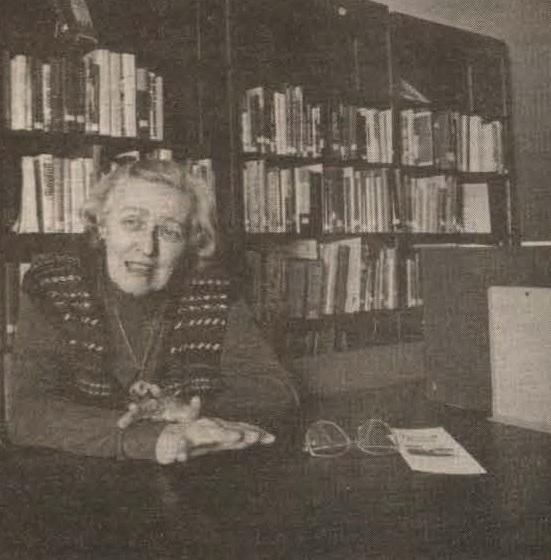
Date: 1995